In a dramatic shift in the energy market, oil prices soared over the weekend following warnings from Iran regarding a possible U.S. ground invasion. As tensions escalate, the implications for both global energy and economic stability continue to grow, highlighting the fragile state of oil supply amid geopolitical strife.
Background on Rising Oil Prices
On Sunday, Brent crude—the global oil benchmark—saw an increase of 2.47%, reaching $107.92 per barrel, while U.S. crude experienced a 2.94% ascent, hitting $102.57. This surge is largely attributed to alarming statements from Iranian officials, including a declaration from Iran's parliament speaker that the nation’s forces are poised for confrontation with U.S. troops. This rhetoric arrives at a time when President Donald Trump had previously indicated ongoing negotiations aimed at de-escalating the conflict in the region.
Key Developments
Tehran’s warnings coincide with a significant uptick in military activities, particularly from Yemen's Iran-backed Houthi rebels, who recently launched missile strikes against Israel. Their actions raise concerns over the security of critical oil shipping routes, such as the Bab al-Mandab Strait, a vital passage for global trade that connects the Red Sea to the Arabian Sea.
In an effort to mediate the conflict, foreign ministers from several nations, including Pakistan, Saudi Arabia, Egypt, and Turkey, convened to discuss solutions to halt the war. According to Pakistan's Foreign Minister Ishaq Dar, the meeting yielded "very productive" discussions, with plans for Pakistan to facilitate talks between the U.S. and Iran in the near future.
The Economic Impact of Higher Oil Prices
As the oil market reacts to these geopolitical events, the economic repercussions are already palpable. The ongoing conflict has resulted in significant disruptions, culminating in the highest oil supply disruptions in history, especially following closures of the Strait of Hormuz, through which approximately 20% of the world’s oil is transported.
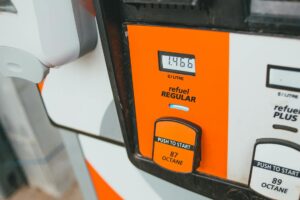
Consequently, American consumers are feeling the pinch at the gas pump, with the average price of gasoline in the U.S. rising to $3.98 per gallon as of Sunday. Analysts predict that while smaller nations—particularly those in Asia—will bear the brunt of rising oil prices, the ripple effect will be felt across the global economy.
Bob McNally, president of Rapidan Energy, emphasized the potential for a recession to curtail oil demand, stating, "Once you hurt the economic growth, it’s a brutal way, but an effective way, of killing oil demand, which then will cap the price."
Market Reactions and Future Outlook
In anticipation of continued volatility, U.S. stock futures reflected the unrest, with Dow futures declining 0.53%, or 241 points. Additional losses were noted in S&P 500 and Nasdaq futures, down 0.46% and 0.48%, respectively. Market analysts suggest that the uncertainty surrounding oil prices will continue to weigh heavily on stock markets as investors closely monitor developments in the region.
Furthermore, experts warn that even if the war comes to an end, prices for gas and oil may remain elevated for some time. The stabilization of prices hinges on the reopening of critical shipping routes, along with extensive repairs to damaged infrastructure, such as Qatar’s Ras Laffan—the world’s largest gas production facility, which has suffered strikes earlier this month.
Conclusion
The unfolding situation in the Middle East showcases the interconnectedness of geopolitical events and global energy markets. As tensions rise and oil prices continue to climb, stakeholders across the board must prepare for a period of uncertainty that could profoundly affect both the economy and everyday consumers. With several nations working towards resolution, the hope remains that diplomacy can help defuse the situation before further escalations occur.
For ongoing coverage and updates on this developing story, visit CNN Business.