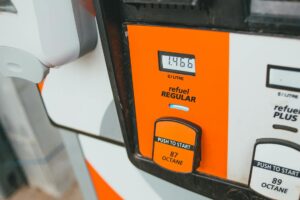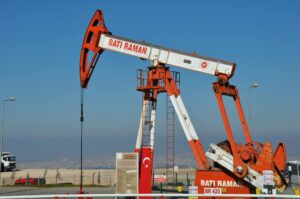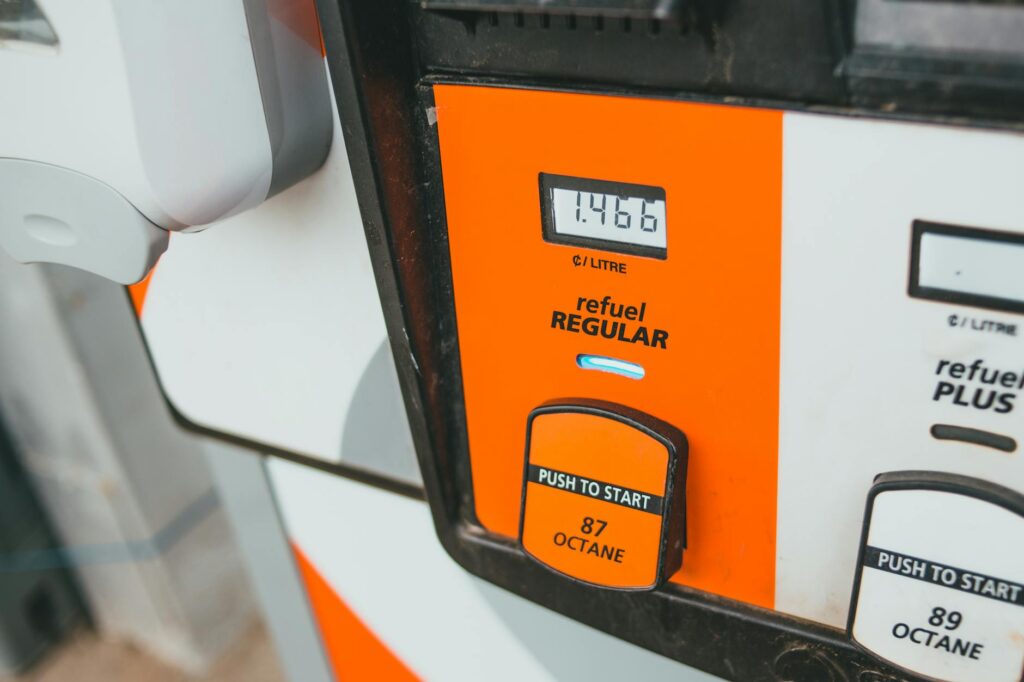
As jet fuel prices rapidly ascend, passengers should brace themselves for impending fare hikes, which may soon redefine their travel budgets. Despite the marked increase in fuel costs, airlines have so far absorbed much of the spike, offering only modest fare increases. However, as experts predict, this strategy may not be sustainable for long.
Current Market Dynamics
Recent data shows the DOW at 46,504.67, down by 61.07 points (0.13%), while the S&P 500 and NASDAQ have shown slight increases of 0.11% and 0.18%, respectively. The existing volatility reflects broader market anxieties as fuel prices drive consumer costs skyward.
Despite the prevalent fear in the market, as indicated by the Fear & Greed Index standing at 19—a sign of "extreme fear"—some stocks are on the rise. Notably, Sky Quarry, Inc. has shot up by 101.58%, reaching 5.10 per share, while tech giants NVIDIA Corporation and Intel Corporation have also seen upward trends.
The Impact of Jet Fuel Prices
Recent reports reveal that jet fuel prices have doubled over the last two months, posing a significant expense for airlines—representing about 20% to 30% of their operating costs. Delta Air Lines disclosed that it incurred $400 million more in fuel costs in March compared to the previous year. Similarly, United Airlines has warned that their expenses could soar by $11 billion if fuel prices remain high.
As noted by Hayley Berg, lead economist at Hopper, there has already been a 10% increase in domestic flights due to the fuel price surge. “We are seeing prices for summer increasing as a result of higher fuel prices,” she stated.
Fare in Flux
Historically, significant shifts in fuel pricing take time to translate to ticket prices due to the delicate balance of demand and supply. As Zach Griff, author of the airline newsletter From the Tray Table, points out, airlines are cautious; if fares increase too much, they risk losing travelers who might opt for driving instead.
In a strategic response to rising operational costs, many airlines are making adjustments beyond ticket prices. Recently, United Airlines and JetBlue announced increases in baggage fees—by $10 for the first two checked bags and even steeper for additional bags. Such changes indicate that operational adjustments will become imperative as airlines seek to offset skyrocketing expenses.
Future Outlook
United Airlines plans to cut about 5% of its flight capacity over the next six months, especially during the peak summer season, which can force travelers to experience a more restricted and expensive flying environment. The stated goal is to adjust operations in anticipation of crude oil prices remaining elevated through the next few years.
Interestingly, despite rising fares and fees, demand for air travel is reportedly strong. Delta Air Lines' CEO Ed Bastian mentioned that demand remains robust, with several airlines reporting record bookings. High gasoline prices may inadvertently drive travelers back to the skies as driving costs escalate.
United Airlines has projected that if fuel prices continue to soar, the industry may adapt fare structures further to meet new cost realities. “Once fares are raised, they don't tend to drop back down quickly,” warns Griff, emphasizing that historical trends suggest consumers could face long-term price adjustments.
Conclusion
With jet fuel prices on a rapid uptick, travelers should remain vigilant and prepare for potential increases in airfare and related fees. The travel landscape is shifting, and while demand appears resilient, the economic implications of these changes could significantly affect how and when consumers choose to travel. As airlines adapt to tightening margins, the forthcoming summer travel season may indeed be more costly—forewarning all about the fare hikes that lie ahead.
For more insights into the always-evolving travel market, stay tuned to our updates.