In a tumultuous environment marked by sudden economic fluctuations and geopolitical unrest, long-haul truckers across the United States are facing an unprecedented crisis. The latest surge in diesel prices, fueled by the ongoing conflict in Iran, has re-ignited fears of a fallout reminiscent of past economic downturns.
Fueling the Crisis: Diesel Prices Spike Dramatically
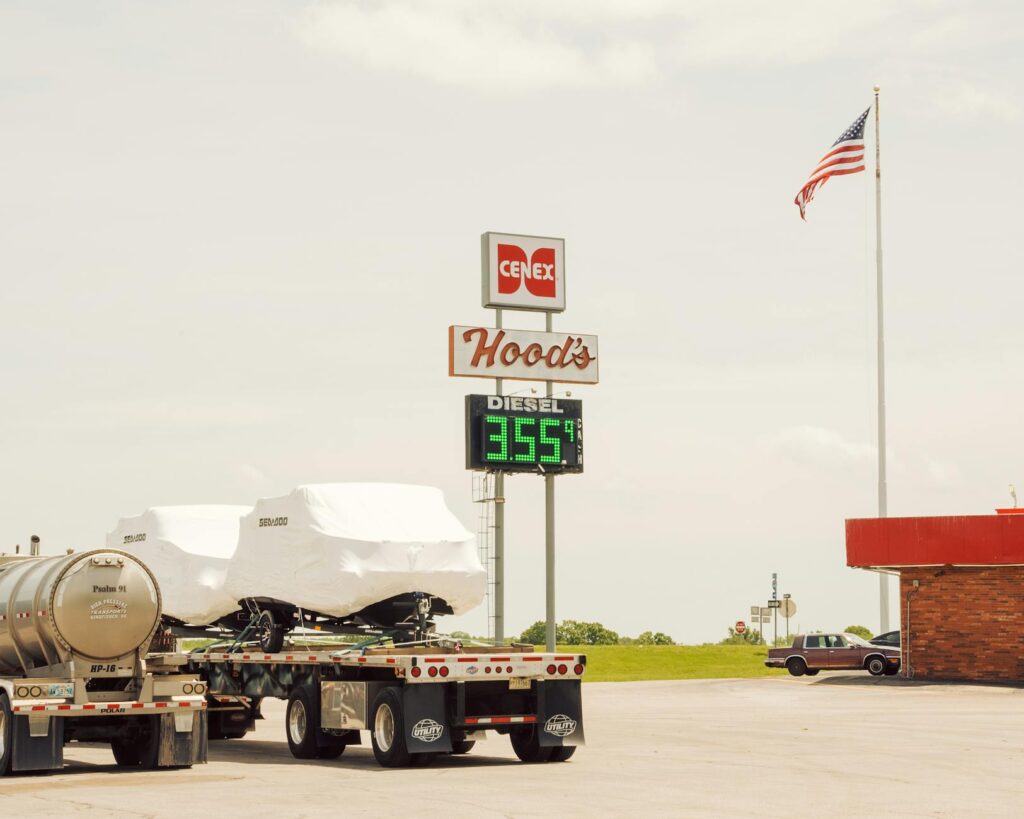
According to industry reports, diesel prices have skyrocketed by 41% since the onset of the Iran war, pushing the nationwide average to nearly $5.38 per gallon. This alarming trend is not merely a reflection of international incidents but is also exacerbating existing financial strains on small trucking businesses. Many are now caught between rising operational costs and stagnant freight rates, leading to an alarming cash flow crisis.
The Effects on Small Operators
The impact of rising diesel costs is especially harsh for small fleet owners and independent owner-operators. Jamie Hagen, who runs Hell Bent Xpress in South Dakota, epitomizes the struggles facing small trucking businesses. After experiencing what he believed to be a turnaround in the Great Freight Recession, the sudden spike in diesel prices has made it increasingly difficult for him to maintain profitability. "We were already on the very breaking point to begin with. This is like the nail in the coffin," Hagen lamented.
Unlike large carriers such as JB Hunt and Schneider National, which have more robust financial mechanisms in place, small operators do not possess long-term contracts that automatically adjust for fuel costs. Instead, they find themselves negotiating freight rates in the volatile spot market, often unable to recover their increased fuel expenses. As Dean Croke, a principal analyst at DAT Freight & Analytics, highlighted, "Small guys in the spot market are really getting dumped on right now."
A Boom-and-Bust Industry
The trucking industry has always been subject to cycles of booms and busts. Currently, over 450,000 owner-operators are responsible for long-distance freight across the nation. While the pandemic earlier created a surge in demand that led to a significant increase in freight rates, the industry has faced a stark reversal since late 2022. With demand waning, many small operators have had to exit the market, leaving the remaining drivers vulnerable as they grapple with ongoing fuel price spikes.
The Struggle to Survive
As the crisis unfolds, some truckers are considering drastic measures, such as parking their rigs to weather the storm. In Richmond, Virginia, Christopher Lloyd, an independent owner-operator, is striving to hang on in an industry that he believes is "creeping its way to an economic backwater." By meticulously managing fuel strategies—such as filling up at cheaper gas stations and negotiating for higher load prices—Lloyd tries to avoid the fate that many of his peers face.
Despite the struggles, Lloyd remains committed to his passion for trucking, stating, “As long as I can still feed myself and keep the lights on, I’m hanging on.” His resilience and determination are testament to many small operators battling through uncertain times.
Future Uncertainties
Industry analysts remain watchful as the situation evolves. With prices continually fluctuating and the specialization among trucking companies becoming starkly apparent, the fight for survival intensifies. While larger companies may withstand the pressures more effectively, numerous small operators are left grappling with the reality of skyrocketing fuel prices, leading to fears of a further economic downturn in the industry.
Conclusion
America’s trucking industry, essential for moving goods and services across the country, now stands at a critical juncture. The surge in diesel prices, driven by external geopolitical factors, presents a formidable challenge for many who have dedicated their lives to this profession. The outcome remains uncertain, but one thing is clear: without significant intervention or changes in market dynamics, the independent truckers who form the backbone of this industry may face an uphill battle for survival.
For ongoing updates on the trucking industry and fuel prices, follow our business section here.