By Auzinea Bacon
In a dramatic surge reflective of geopolitical tensions, oil prices have climbed past $105 a barrel this week, marking their highest level since July 2022. The recent escalation in the ongoing war in Iran, now in its third week, has raised alarm across global markets. With President Trump urging the international community to reopen the critical Strait of Hormuz for oil tankers, the disruption of one of the world’s most vital shipping lanes has brought fresh uncertainty to energy prices and global supply chains.
A Volatile Market
As of Sunday evening, Brent crude, the global benchmark, recorded a 2.9% increase, reaching approximately $106.12 a barrel. Simultaneously, the price of West Texas Intermediate (WTI), the US oil standard, rose by 2.6% to $101.53. The situation reflects the fears surrounding the ramifications of ongoing hostilities and the potential for extended disruptions in oil flows.
The Strait of Hormuz— a vital maritime passageway— controls nearly 20% of the world’s oil supply, and it's been effectively shut to oil tankers since the onset of the Iran conflict. The Trump administration is now grappling with the urgent need for military support to safeguard shipping routes. In a recent Truth Social post, Trump called for international cooperation to expedite the reopening of the Strait, emphasizing the need for "things [to] go quickly, smoothly, and well."
Shipping Tensions Rise
Despite attempts from the Trump administration to assure the market, the reality on the ground paints a different picture. Iran has reportedly escalated military operations, including laying mines in the Strait and threatening US-linked oil and gas infrastructures. Since February 28, the start of the conflict, there have been reports of tankers being struck by missiles in the strategic waterway.
In response to these mounting threats, the US military has announced plans to escort oil tankers through the Strait. However, officials admit that it may take weeks before naval assets are fully deployed to ensure safety for commercial shipping.
The Ripple Effects on Prices
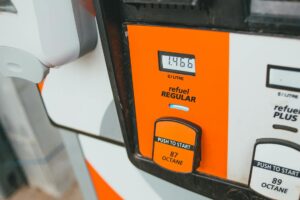
The rising oil prices have direct implications for consumers as US gas prices have surged by 24%, now averaging around $3.70 per gallon according to AAA. This dramatic increase threatens to undermine one of Trump’s key points of success, which was the significant drop in gas prices observed in his second term.
Moreover, the implications extend beyond energy; agricultural industries that depend on imported fertilizers, which pass through the Strait, face potential price hikes. Essential perishables such as dairy, fruits, vegetables, and seafood may soon become more expensive due to disrupted shipping routes.
Government Response
In an effort to counteract rising fuel prices, the Trump administration is taking steps to boost domestic energy production. This includes the recent approval of a new BP offshore project in the Gulf Coast—the first since the Deepwater Horizon disaster. Additionally, Energy Secretary Chris Wright has directed Sable Offshore Corp. to resume operations off the coast of Southern California.
The International Energy Agency (IEA) has also intervened, agreeing to release 400 million barrels of emergency oil—its largest collective action to date. However, this infusion of oil will not reach the market until late March, leaving consumers to navigate the high prices in the interim.
Conclusion
As the conflict in Iran escalates, the associated disruptions pose a significant threat to stability in global markets. With geopolitical tensions shaping oil supply chains and energy prices, investors and consumers alike are advised to stay vigilant. The current climate serves as a stark reminder of how interconnected our global economy is and how crises in one region can ripple through supply chains and markets worldwide.
For continuing coverage on the evolving situation in Iran and its implications for the global economy, stay tuned to our news portal.