In a bold move that has captured the attention of energy markets, President Donald Trump announced his intention to restore the US oil industry in Venezuela. This ambitious goal comes on the heels of a historic operation that saw US forces capture Venezuelan President Nicolás Maduro and his wife, Cilia Flores, on charges related to drug trafficking and weapons offenses. However, industry experts caution that reviving Venezuela's oil sector will be fraught with challenges.
A Rocky Road Ahead for Oil Restoration
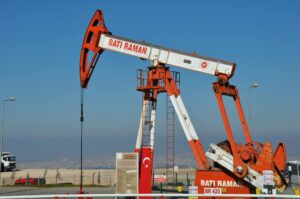
Despite possessing the world’s largest proven oil reserves, Venezuela's oil industry has been in tatters for years, primarily due to political instability, mismanagement, and the adverse effects of economic sanctions. Trump has stated that American companies will play a pivotal role in "rebuilding" the country's oil infrastructure. However, analysts warn that this endeavor is not as straightforward as it may seem.
“Extracting more oil from Venezuela would require billions in investment to refurbish the country’s oil infrastructure, which has been gutted,” said Clayton Seigle, a senior fellow in the Energy Security and Climate Change Program at the Center for Strategic and International Studies. “This is compounded by the current political climate, which leaves many questions about future stability.”
Trump's plans hinge on attracting US oil giants, encouraging them to invest heavily in the dilapidated Venezuelan oil sector. However, the low global prices for crude oil are not conducive to risking significant capital outlays at this time, making the proposition less appealing.
History and Challenges of Venezuelan Oil Production
The United States has a long and complicated history with Venezuela's oil production, marked by periods of fruitful cooperation and intense conflict. Foreign oil companies have operated in the region for over a century, but the socialist policies of former President Hugo Chávez, who took control of the state-run oil company PDVSA in 1999, severely undercut production capabilities. Over the past two decades, production has dropped by more than a third, rendering the once-powerful oil-producing nation increasingly dependent on foreign aid and support.
Chevron is currently the last American oil company still operating in Venezuela, navigating the complex landscape of US sanctions and regulatory hurdles. The company has adapted its operations through various waivers, maintaining a footprint that puts it in a unique position if the country opens up to international investment once again.
“Chevron has built nearly a century of expertise in dealing with the complexities of Venezuelan oil production,” noted Michael Klare, senior visiting fellow at the American Arms Association. “Any new player looking to enter this market will face an uphill battle, as establishing a similar level of capability takes years of investment and development.”
The Political Dynamics at Play
Following the capture of Maduro, Trump announced that the US will oversee Venezuelan governance until stable leadership can be re-established. This level of involvement raises concerns among industry experts. The political environment remains deeply uncertain, not just for the oil sector, but for the entire nation.
“Corporate decision-makers will have to weigh their potential returns against the risks associated with operating in a politically volatile country. It’s a precarious situation that could deter many,” Seigle cautioned.
Conclusion: A Leap of Faith for Investors
Trump's commitment to reviving the oil industry in Venezuela represents a significant shift in US foreign policy and underscores American interest in stabilizing the oil-rich nation. However, the president's dreams of transforming Venezuela into a major global oil producer face more questions than answers.
Investors and oil companies are likely to approach this opportunity with caution, weighing the financial implications against the political risks that are far from resolved. As the world watches closely, the unfolding dynamics in Venezuela could reshape the landscape of global oil markets for years to come.
For the latest updates, visit CNN Business.
Stay informed with more news and insights from the world of finance and energy.