By John Towfighi | Updated March 3, 2026
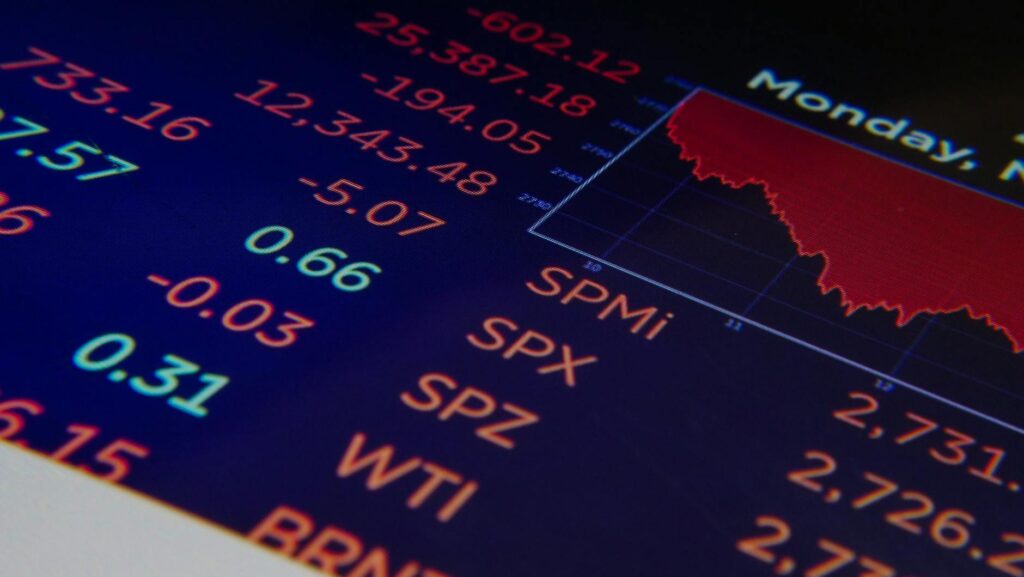
New York — Global financial markets experienced considerable turbulence Tuesday as Wall Street witnessed a notable decline driven by heightened fears regarding the intensifying conflict in the Middle East. The Dow Jones Industrial Average plummeted by 723 points, which translates to a 1.47% drop, reversing earlier gains and adjusting from its steep fall of over 1,200 points at the trading day's outset. The S&P 500 and the technology-focused Nasdaq Composite also suffered, dipping 1.35% amid growing investor anxiety.
Global Stock Markets React
The current economic climate reflects the deepening tension in international relations, particularly revolving around ongoing military conflicts that are now spilling into market sentiment. The Fear & Greed Index, a gauge that measures market sentiment, has risen sharply, indicating heightened concerns—currently sitting at 31, marking a significant shift toward fear among investors.
Internationally, the negative sentiment was echoed across Europe and Asia as well. Notable declines included:
- Europe’s benchmark Stoxx 600, falling by 3.1%
- Japan’s Nikkei 225, which saw a decrease of 3.06%
- South Korea's Kospi index recorded its worst day in nearly a year with a staggering 7.24% drop after a holiday halt on Monday.
Military Updates and Economic Implications
The situation's volatility is primarily attributed to escalating military actions in the Middle East. Reports confirm that Israel has conducted “simultaneous strikes in Tehran and Beirut,” targeting various Iranian military assets and installations associated with Hezbollah. The tense environment has been compounded further by threats from Iran regarding potential attacks on vessels navigating through the Strait of Hormuz, which plays a critical role in global oil transportation, accounting for nearly 20% of worldwide oil movement.
President Donald Trump recently remarked on the uncertainty surrounding the military engagements, stating in a letter to Senator Chuck Grassley that “it is not possible at this time to know the full scope and duration of military operations that may be necessary”.
Market Responses and Energy Prices Soar
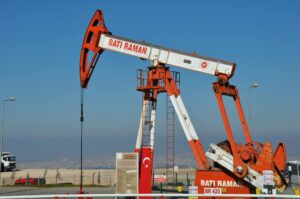
As a direct consequence of these geopolitical developments, crude oil prices soared dramatically. U.S. crude oil prices surged by 7.5% to $76.54 per barrel, just days after recording a 6.3% rise. The international benchmark, Brent crude, similarly climbed by 7.1% to $83.31 per barrel, its highest valuation since the summer of 2024. Gasoline prices also reflected this upward trend, with an increase of 11 cents to average at $3.11 per gallon.
Market analysts have been particularly vocal about the anticipated pressure on oil pricing, which they believe could linger as the feud continues. As noted by Thierry Wizman, a global FX and rates strategist at Macquarie Group, the fears expressed regarding inflation stemming from prolonged warfare are eliciting significant panic amongst traders.
Mixed Signals from Safe Havens
In the backdrop of these unsettling market fluctuations, safe-haven assets displayed mixed results. The 10-year Treasury yield experienced a rise as investors shifted to sell off bonds while considering the inflationary effects of soaring oil prices. Concurrently, the US dollar index increased by 0.9%, buoyed by expectations of persistent inflation impacting Federal Reserve policy decisions concerning rate adjustments.
Gold prices conversely faced a downward trend of 3.4%, marking a stark reversal after achieving a peak last month. Meanwhile, natural gas futures reported substantial increases, with European contracts soaring by 24% and US contracts up by 6%, driven by fears of supply scarcity due to ongoing unrest.
Conclusion
As the situation in the Middle East continues to evolve, all eyes will be on the financial markets and the potential ripple effects on the global economy. Investors remain on edge, bracing for further developments that could significantly influence market stability and energy prices. This developing story will be closely monitored as fresh updates come to light.
For more detailed coverage on this evolving situation, visit our Business Section for continuous updates.
Stay tuned for further updates as the story unfolds, and remember to engage in discussions on market impacts from the ongoing situation.